Homeopathy for Sleep Disorders: A Natural Way to Restore Restful Nights
Introduction
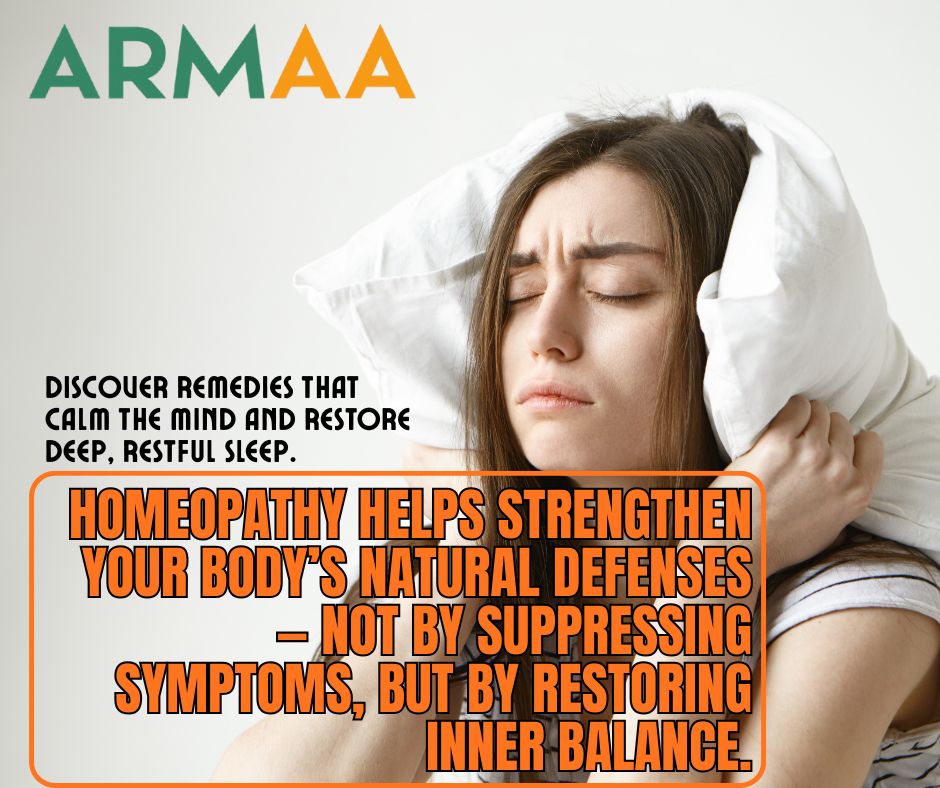
Sleep is not a luxury, it’s a biological necessity. Yet millions struggle to get a good night’s rest due to insomnia, disturbed sleep, or anxiety-related restlessness. Chronic sleep deprivation affects mood, concentration, and immunity, often pushing people toward sleeping pills that can cause dependency or dullness.
Homeopathy offers a safer, natural alternative by addressing the root cause of sleeplessness whether emotional, physical, or lifestyle-related, without causing side effects or dependence.
Understanding Sleep Disorders
Sleep disorders can range from mild restlessness to chronic insomnia. Common causes include stress, hormonal imbalance, irregular routines, caffeine overuse, or underlying illnesses.
Common Symptoms
- Difficulty falling asleep or staying asleep
- Waking up frequently or too early
- Daytime fatigue, irritability, and lack of focus
- Anxiety or restlessness before bedtime
Poor sleep isn’t just tiring, it affects overall health by weakening immunity, disturbing digestion, and increasing the risk of hypertension and depression.
Reference: Harvard Medical School, Division of Sleep Medicine
How Homeopathy Helps in Sleep Disorders
Homeopathy works by stimulating the body’s self-healing mechanism. Remedies are selected based on an individual’s emotional and physical pattern rather than a one-size-fits-all drug. It helps calm the mind, balance hormones, and restore natural sleep rhythms without sedation.
A 2019 study published in the Journal of Integrative Medicine found that individualized homeopathic treatment improved both sleep quality and anxiety levels in patients with chronic insomnia.
Reference: Journal of Integrative Medicine, 2019
Common Homeopathic Remedies for Sleep Problems
1. Coffea cruda – For sleeplessness due to mental overactivity, excitement, or excessive thinking.
2. Nux vomica – Ideal for people with sedentary lifestyles, work stress, or caffeine dependence.
3. Passiflora incarnata – Helpful for insomnia caused by nervous exhaustion or mental stress.
4. Ignatia amara – Best suited for grief, emotional conflict, or suppressed anger causing disturbed sleep.
5. Arsenicum album – For anxious restlessness and frequent waking around 2–3 a.m.
6. Kali phosphoricum – For mental fatigue and burnout-related insomnia.
Each case requires an individualized approach guided by a qualified homeopath.
Lifestyle and Sleep Hygiene Tips
While homeopathy offers natural help, certain daily practices enhance recovery:
- Maintain a consistent sleep schedule
- Avoid screens 1 hour before bed
- Limit caffeine and heavy meals at night
- Practice breathing or relaxation exercises
- Create a calm, dark sleeping environment
Reference: National Sleep Foundation – Sleep Hygiene Guidelines
Why Homeopathy Stands Out
Unlike sedatives that dull the nervous system, homeopathy promotes true rest by harmonizing the mind and body. It supports emotional healing and physiological balance making it suitable for long-term use.
A meta-analysis published in Complementary Therapies in Medicine (2018) reported improvement in sleep onset and quality among patients using individualized homeopathic remedies.
Reference: Complementary Therapies in Medicine, 2018
Conclusion
Sleep is the foundation of health and vitality. Homeopathy provides a gentle, evidence-supported solution to sleeplessness without the risk of side effects or addiction. When combined with mindful lifestyle changes, it helps restore natural sleep cycles and emotional peace.
Disclaimer
This article is for educational and informational purposes only. It is not intended to diagnose, prescribe, or replace professional medical advice. Always consult a qualified and registered homeopathic practitioner before starting any treatment.
Related Posts
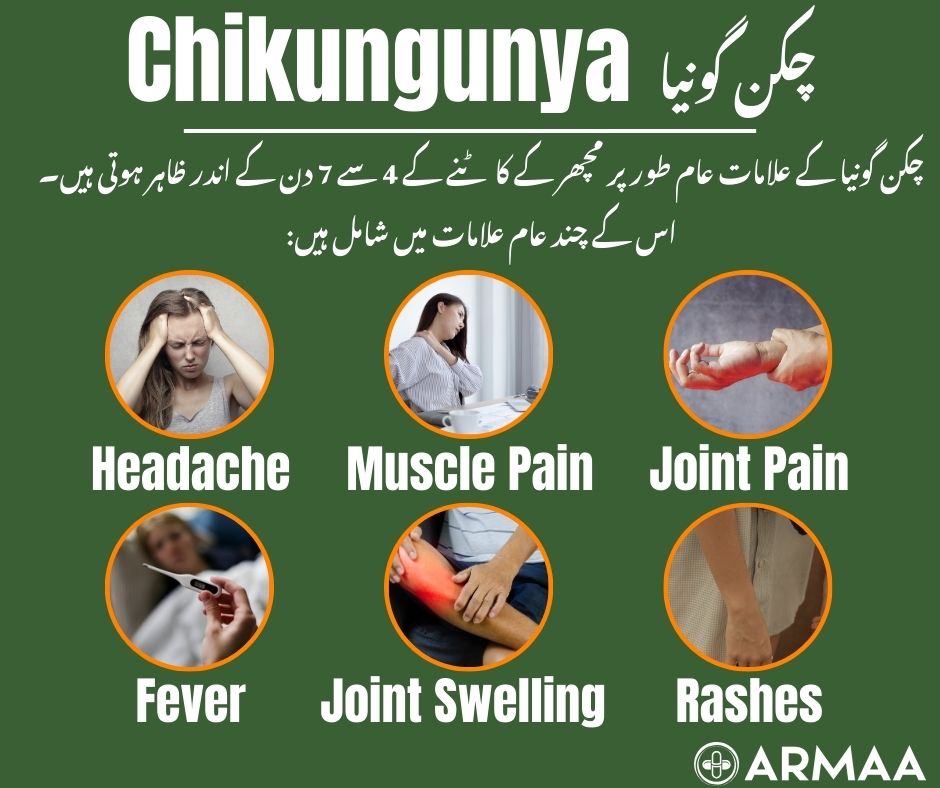
Chikungunya: Causes, Symptoms & Homeopathic Treatment
🦟 Chikungunya: Symptoms, Causes & Homoeopathic Approach What is Chikungunya?…

🩺 Homeopathy for Diabetes: Boosting Natural Balance at Work and in Life
Every year on 14 November, World Diabetes Day reminds us…

Homeopathy & Arthritis: How Gentle Remedies Can Support Joint Health
Introduction Arthritis—characterized by joint pain, stiffness, swelling and reduced mobility—affects…
Homeopathy & Immunity: Strengthening Your Body’s Natural Defenses
In today’s fast-paced world, where pollution, stress, poor diet, and…

Heartburn Triggers: Foods, Lifestyle Factors & Natural Homoeopathic Support
Heartburn is one of the most common digestive complaints today.…
What is Different from Dengue in Chikungunya?
What is Different from Dengue in Chikungunya? Chikungunya and dengue…
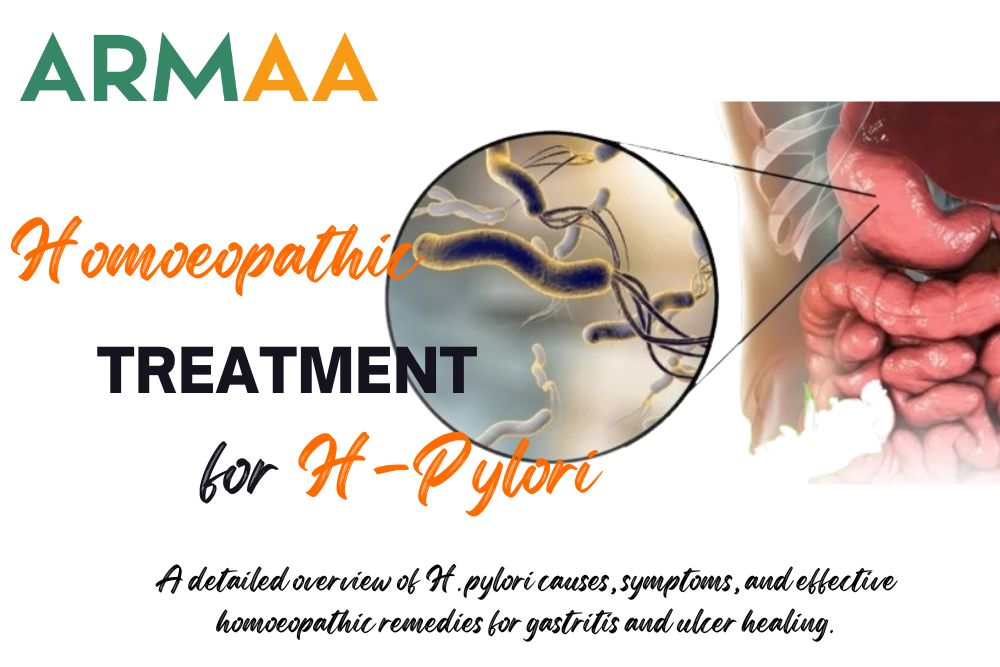
🦠 H. Pylori Infection: Homoeopathic Treatment, Precautions & Cure
Understanding H. Pylori and Its Impact Helicobacter pylori (H. pylori)…

Hormonal Balance in Women: Gentle Homeopathic Support
Hormonal Balance in Women — A Homeopathic Perspective Hormonal balance…